







As the second largest metropolitan area in the country with a population of more than 16 million, Los Angeles is the West's iconic city, the place where movie stars, big money, bigger traffic jams and modern culture meet over Pacific surf, Santa Monica Mountain vistas and sometimes, a blanket of smog. Getting a a thumb on the pulse of such a vast and diverse urban area is a challenge: Hollywood legends, Malibu surfers, rush hour snarls, CalTech, graffiti and "Valley Girls" represent but a limited picture of what and who greater Los Angeles is, if this densely packed part of the world can really be in anyway so succinctly defined. The key is to realize that there is no L.A. — except as a title for the hundreds of cities and neighborhoods that have been lumped together by virtue of their location here on the Pacific coast, many of which share a map square but not much more.
Though it is surrounded by suburbs both famous and infamous, edged by film-worthy beaches and dominated by drama (both fictional and otherwise), downtown Los Angeles proper is suspiciously normal. Rows of unassuming skyscrapers and nine to five business doesn't make for a great tourist attraction, but they do serve as a reminder that there really is a city here after all. Compact residential neighborhoods, including Little Tokyo and Chinatown, along with the Financial District, the Fashion district, the Art District, the Jewelry district and the Old Bank District, form the core of downtown Los Angeles. Importantly, L.A.'s heart is also where you'll find significant sights related to this city's early settlement like El Pueblo de Los Angeles, a historic park that counts amongst its attractions of note some of the oldest buildings around (think early 19th century). Another reason for the culturally minded to make the trip through traffic to the center of this expansive urban area is the list of museums and architectural oddities on hand; the Museum of Contemporary Art (MOCA) is here, as is the Wells Fargo History Museum, the Chinese American Museum and in the building category, structures like City Hall (an Art Deco addition) and the Caltrans Building (oh-so contemporary). Also in the general vicinity is the Natural History Museum of Los Angeles County (a good spot to do your homework on the La Brea Tar Pits), the University of Southern California, the California African American Museum and the California Science Center, amongst other things.
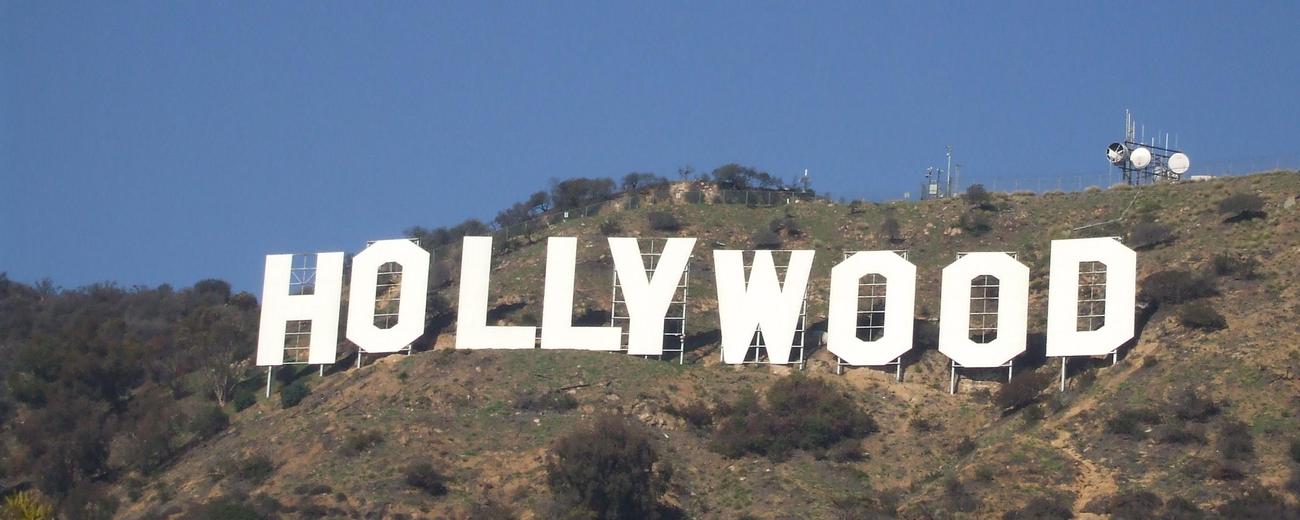
Leaving downtown behind, visitors will find the extremes that L.A. is better known for. To the west is affluent, often glamourous Hollywood and Beverly Hills, where movie stars and photo-snapping tourists shop and dine along palm-lined boulevards. The upscale homes of Brentwood and Bel Air give way to the quirky, youth-dominated vibe of Melrose Avenue. To the north are Glendale, Burbank, and Pasadena, where athletes and scholars pursue their endeavors at the feet of the San Gabriel Mountains. The Inland Empire continues to the east, stretching to the city of Ontario and beyond. There's even skiing at places like Bear Mountain, Mountain High, Snow Summit, and Ski Sunrise.
Los Angeles is located in southwest California about 60 miles north of San Diego. Go-California also offers separate coverage of Coastal Los Angeles and the Orange County area.